

Private keys are the unsung heroes of the cryptocurrency world. They’re the digital passports that grant you access to your digital valuables, the last line of defense in securing your financial assets. In this digital age, where privacy and security are at the forefront of personal and professional concerns, understanding and safeguarding LedgerLive private key (렛저라이브 개인 키) is critical.
The Role of Private Keys in Cryptocurrencies
Private keys are akin to the PIN numbers of traditional bank cards, but with a world of critical differences. In the realm of cryptocurrencies, these keys don’t just provide access to an account but serve as the fundamental tool for making transactions on the blockchain, a ledger of all cryptocurrency transactions.
In essence, your private key is the one piece of information that, if compromised, would give a hacker access to the funds in your cryptographic vault. Yet, they are valuable beyond measure, as they hold the power to move cryptocurrency from one digital ‘safe’ to another.
Where to Find Your Private Key
Cryptocurrencies come with different methods for storing private keys. Some popular options are:
Software Wallets: Storing your keys directly on your device, these wallets offer control and accessibility but require strict security measures to avoid malware and theft.
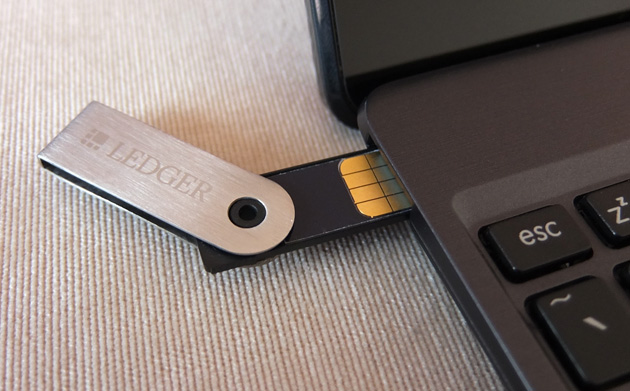
Hardware Wallets: Considered the most secure option, hardware wallets store your keys offline, away from the reach of hackers.
Paper Wallets: A fully offline method, paper wallets involve printing your private key or related QR code on paper, best kept in a secure location.
Online Vaults: Services like Ledger Live use intricate security protocols to safeguard your private keys, offering a balance between security and ease of use.
Regardless of the method you choose, the security of your private keys should be your utmost priority.
Best Practices for Securing Your Keys
Strong Security Protocols
Using strong encryption on the device that stores your private keys is a vital first step. Regularly updating your software, employing firewalls, and installing reputable antivirus and antimalware programs are essential protocols.
Multifactor Authentication
Implementing multifactor authentication (MFA) adds an extra layer of security. It requires you to provide two or more verification factors to gain access to your cryptocurrency account, further reducing the risk of unauthorized access.
Regular Backups
Making regular backups of your private keys is like a form of insurance. You should store these backups in multiple secure locations that are not easily accessible to others, such as a safe deposit box or a home safe.
Be Wary of Phishing
Be cautious of any unsolicited messages or emails that ask for private key information. These can be phishing attempts by criminals to steal your information. Always verify the identity of the sender and the legitimacy of the request before taking action.
The Double-Edged Sword of Accessibility
One of the main advantages of cryptocurrencies is accessibility. However, this very accessibility can also be a double-edged sword. The easier it is for you to access and make transactions with your cryptocurrency, the easier it is for someone else to do so, too, if they gain access to your private keys.
For this reason, while it’s crucial to have easy access to your private keys for personal use, those same keys should be stored away and guarded with the utmost security when not in use.
Conclusion
Private keys are symbols of control in the decentralized world of cryptocurrencies, and though intangible, their value is significant. While the concept may sound arcane to the uninitiated, the security measures required are very much rooted in the present day, reflecting the need for vigilance in the safeguarding of our digital assets.
Whether you’re a seasoned investor or a newcomer to the crypto scene, the understanding and implementation of robust security measures around your private keys are non-negotiable. They are not only the keys to your cryptocurrency vault but the peace of mind in knowing your assets are truly your own.