

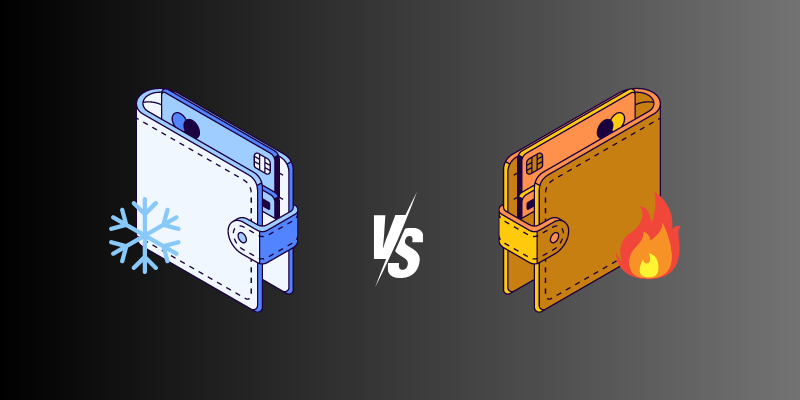
In the fast-paced world of cryptocurrencies, the importance of security cannot be overstated. With cyber threats on the rise, safeguarding your digital assets should be a top priority. Enter cold storage wallet—the ultimate solution for secure, long-term crypto holding. If you’re an investor looking to protect your investments, read on to discover why cold wallets are essential for ensuring the safety of your cryptocurrencies.
What Are Cold Wallets?
Cold wallets, also known as cold storage, are a type of cryptocurrency wallet that is not connected to the internet. Unlike hot wallets, which are always online and vulnerable to hacking, cold wallets store your private keys offline. This makes them incredibly secure and virtually immune to cyber-attacks.
Types of Cold Wallets
There are various types of cold wallets, each offering different levels of security and convenience. The most common types include hardware wallets, paper wallets, and even metal wallets. Hardware wallets are physical devices that store your private keys securely. Paper wallets, on the other hand, involve printing your private keys on a piece of paper. Metal wallets are durable options that engrave your private keys on metal plates.
How Cold Wallets Work
Cold wallets operate by keeping your private keys—essentially the passwords to your crypto—offline. When you need to make a transaction, you connect your cold wallet to an internet-enabled device temporarily. This ensures that your private keys are only exposed to the internet for short periods, significantly reducing the risk of hacking.
Benefits of Using Cold Wallets
Enhanced Security
The primary advantage of cold wallets is their enhanced security. By keeping private keys offline, cold wallets eliminate the risk of online hacking, phishing attacks, and malware. This makes them the safest option for long-term storage of cryptocurrencies.
Control Over Your Assets
With a cold wallet, you have complete control over your private keys and, consequently, your cryptocurrencies. This eliminates the need to rely on third-party exchanges or custodians, which can be vulnerable to hacks and insolvency.
Long-Term Storage
Cold wallets are ideal for long-term storage of cryptocurrencies. Since they are not connected to the internet, they offer a safe haven for your digital assets, allowing you to hold them securely for extended periods.
Choosing the Right Cold Wallet
Hardware Wallets
Hardware wallets are highly recommended for their balance of security and convenience. Brands like Ledger and Trezor offer user-friendly interfaces and robust security features, making them popular choices among crypto enthusiasts.
Paper Wallets
Paper wallets are a low-cost option for cold storage. However, they require careful handling and protection from physical damage and theft. It’s crucial to store paper wallets in secure locations like safes or safety deposit boxes.
Metal Wallets
For those seeking durability, metal wallets are an excellent choice. These wallets can withstand extreme conditions such as fire and water, ensuring that your private keys remain intact.
Setting Up Your Cold Wallet
Setting up a cold wallet involves several steps, including generating your private keys, transferring your cryptocurrencies, and safely storing your wallet. It’s essential to follow best practices and guidelines provided by wallet manufacturers to ensure maximum security.
Transferring Crypto to Cold Wallets
When transferring cryptocurrencies to your cold wallet, double-check the recipient address to avoid costly mistakes. It’s also advisable to start with a small test transaction before transferring larger amounts.
Protecting Your Cold Wallet
Physical Security
Ensure that your cold wallet is stored in a secure location, away from prying eyes. For hardware wallets, consider using a tamper-evident seal to detect unauthorized access.
Backup and Recovery
Always create multiple backups of your private keys and recovery phrases. Store these backups in different secure locations to prevent loss due to unforeseen circumstances.
Regular Checks
Periodically check your cold wallet to ensure that it remains secure and functional. This includes verifying your private keys and updating firmware for hardware wallets.
Common Misconceptions About Cold Wallets
Complexity
While setting up a cold wallet may seem daunting, most hardware wallets come with user-friendly guides that make the process straightforward. The added security is well worth the initial effort.
Cost
Although some cold wallets, like hardware wallets, come with a price tag, the cost is minimal compared to the potential loss from a hacking incident. Think of it as an investment in your financial security.
Real-World Examples
Notable Hacks
The infamous Mt. Gox hack in 2014 resulted in the loss of 850,000 bitcoins, highlighting the importance of secure storage solutions. Many of these incidents could have been avoided with the use of cold wallets.
Success Stories
Numerous crypto investors have successfully used cold wallets to protect their assets. For example, early adopters who stored their bitcoins in cold wallets have seen significant returns without falling victim to cyber-attacks.
Conclusion
In a world where digital threats are ever-present, cold wallets offer an unparalleled level of security for long-term crypto holding. By keeping your private keys offline, these wallets provide peace of mind and protect your investments from potential cyber-attacks. If you’re serious about safeguarding your cryptocurrencies, a cold wallet is an essential tool in your security arsenal.